
FOUNDATIONS AND NGO
Turning donor funding intodurable water access at scale.
For foundations and NGOs, water projects sit at the intersection of urgency and responsibility. Communities need safe water now — but donors expect solutions that last, deliver measurable impact, operate sustainably, and can be replicated beyond a single intervention.
Kalabas meets both requirements. It enables rapid response to water crises while delivering permanent, community-scale infrastructure that supports long-term development rather than short-term relief.
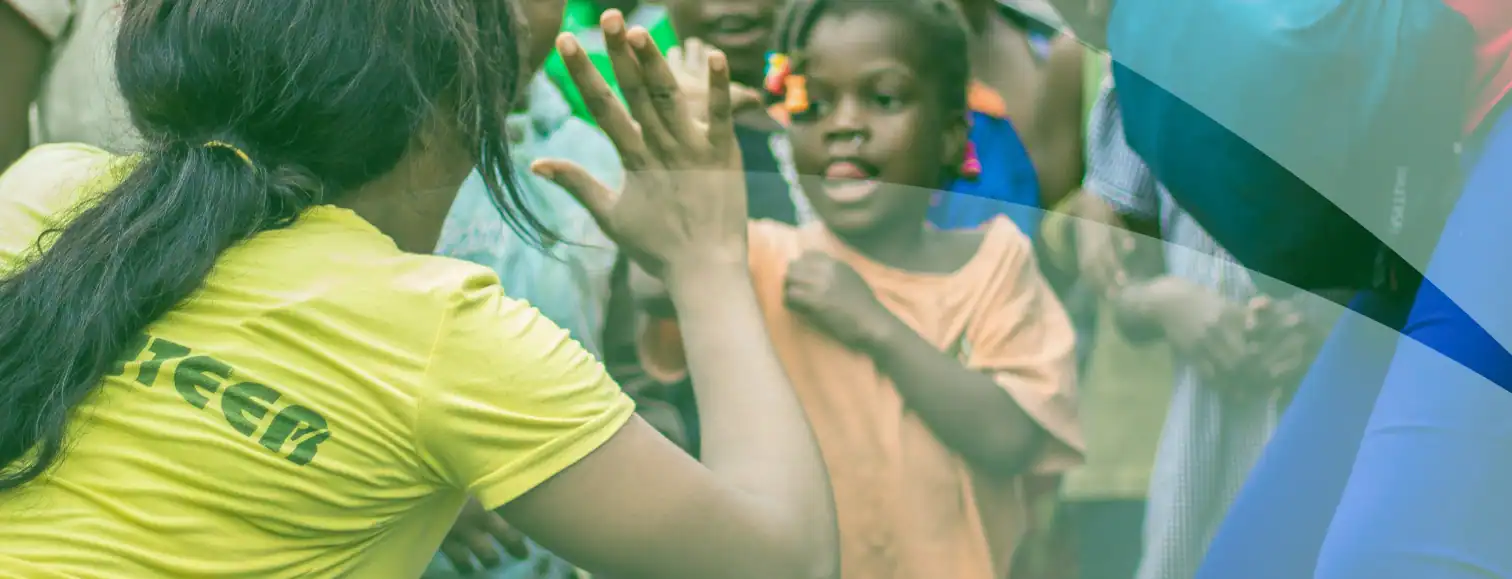
Fast deployment in crisis contexts
Months to operation, enabling timely intervention when health risks are immediate.
More impact per rand
Lower CAPEX and OPEX extend reach across more communities.
Built for small-scale deployment
Right-sized systems that match community demand and capacity.
Simple to operate
Automation and reduced complexity support long-term community ownership.
Repeatable across locations
Standardised systems enable programmatic scale, not one-off success.
Lasting security at speed
Many water interventions are deployed in remote or underserved communities with limited infrastructure, constrained technical capacity, and highly variable water sources. Budgets are finite, and every funding decision must maximise impact per rand spent.
The intervention gap
Traditional water treatment plants are often too slow, too complex, or too expensive for humanitarian and development contexts. Temporary solutions may address immediate need, but they frequently fail to provide lasting water security — forcing communities back into crisis once projects end.
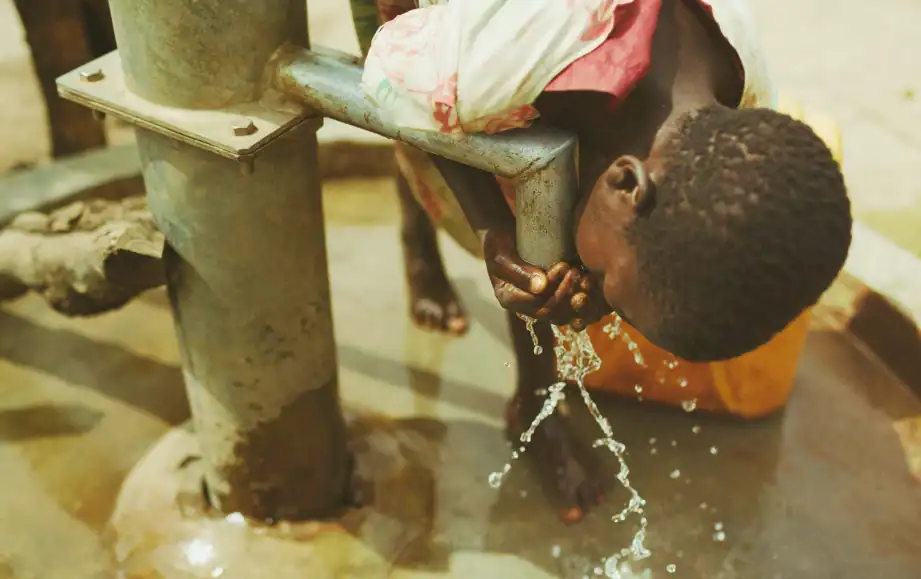
Rapid response when lives are at risk
In water crises, speed matters. Kalabas can be deployed in roughly ten months — significantly faster than conventional infrastructure approaches — allowing foundations and NGOs to respond decisively to urgent needs.
Proven in crisis — Hammanskraal cholera outbreak
- Deployed during an active cholera outbreak — safe water restored in roughly 10 months
- Delivered 50 MLD, exceeding the capacity of the original system it replaced
- Handled extreme raw water variability without performance reduction
- Originally temporary — became the permanent solution due to consistent reliability
- Restored public trust, dignity, and constitutional rights in affected communities
"What began as an urgent response to a public health emergency became a long-term, resilient water solution."
Cost-effective infrastructure that stretches donor funding
Kalabas reduces both capital and operating costs — allowing more communities to be served with the same funding envelope. Its integrated design eliminates expensive standalone infrastructure, while lower energy and chemical usage reduces long-term operating burden.
<50 kW
Energy per ML
~50%
Less coagulant
<5%
Water loss
25 yr
Asset lifespan
For donors, this translates into greater impact per dollar and improved sustainability of funded projects — fewer resources spent on operating costs means more reach across underserved communities.
Right-sized solutions for community needs
Kalabas's modular architecture starts at 0.1 MLD, making it viable for small towns, villages, and rural settlements. Systems can be sized to actual demand rather than over-engineered for theoretical peak capacity.
Village scale
0.1–0.5 MLD
Single module for small rural communities — minimal footprint, simple installation.
Small town
0.5–5 MLD
Modular units scaled to actual population needs — expandable as communities grow.
Programme scale
5–50+ MLD
Standardised units replicated across multiple communities within a single programme.
Designed for challenging water sources
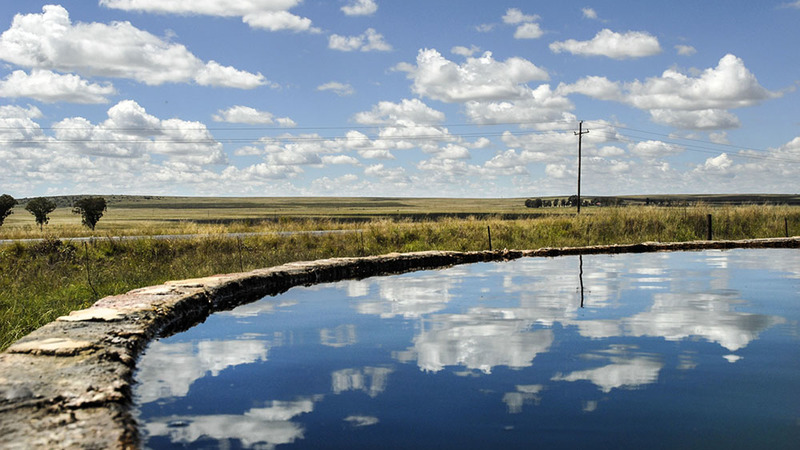
Many underserved communities rely on rivers, boreholes, or surface water with high turbidity and seasonal variability. Kalabas can handle turbidity levels exceeding 400 NTU, with integrated grit and silt removal allowing direct feed from difficult sources. Performance is maintained during seasonal changes — ensuring consistent access to safe water even under challenging conditions.
Operational simplicity that communities can sustain
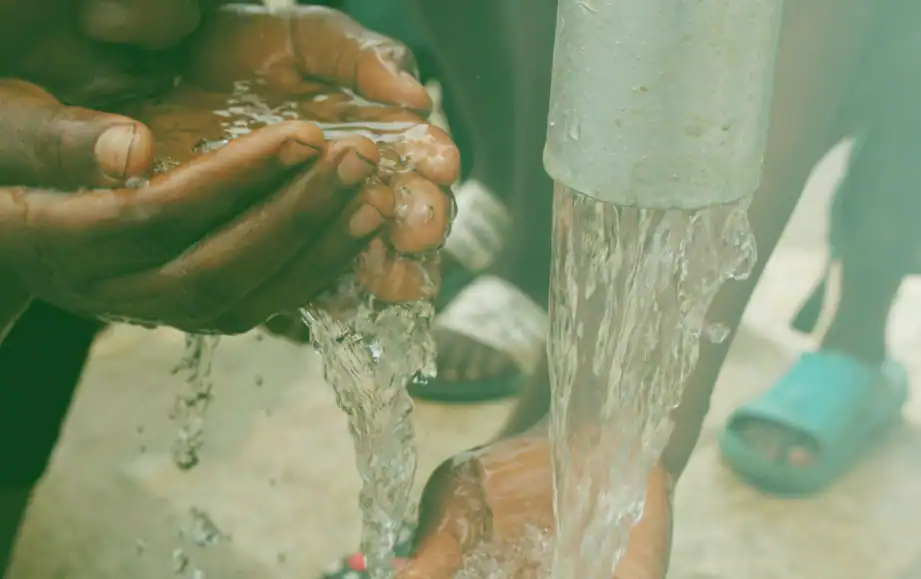
Complex systems fail where skills are scarce. Kalabas is fully automated, with fewer equipment components and simplified maintenance requirements. Community operators can manage systems with basic training, supported by local 24/7 assistance when needed.
"This simplicity is critical to long-term success once foundation or NGO involvement steps back."
Replicability across programmes and geographies
Standardised design allows Kalabas to be deployed repeatedly across different locations with predictable outcomes. This consistency simplifies training, maintenance, and reporting — while enabling foundations and NGOs to demonstrate scalable impact across programmes.
Programmatic scale
Projects that succeed in one community can be replicated in others without reinventing the solution each time.
Donor accountability
Quantifiable metrics — volumes treated, people served, waterborne disease risk reduction — enable transparent impact reporting.
Community empowerment
Decentralised, reliable water supply enables health, education, local economic activity, and long-term resilience.
Skills development
Local manufacturing and training components contribute to economic participation beyond the infrastructure itself.
Alignment with development goals and donor accountability
Kalabas directly supports key Sustainable Development Goals — contributing measurable outcomes across clean water, infrastructure, and climate resilience.
SDG 6
Clean water and sanitation
Direct contribution through rapid, reliable potable water delivery at scale.
SDG 9
Industry, innovation and infrastructure
Locally engineered, world-first modular water technology.
SDG 13
Climate action
Lower energy, reduced chemical dependency, resilience to climate-driven variability.